

Updated November 2026
The best camera phone in 2026 is the iPhone 18 Pro Max for video and consistency, the Samsung Galaxy S26 Ultra for zoom, and the Google Pixel 11 Pro XL for point-and-shoot stills and night mode; the Xiaomi 17 Ultra has the biggest sensor if you can buy it where you live. Last year’s iPhone 17 Pro Max and Pixel 10 Pro XL are still excellent and now often cost less. Below we compare 18 phones on sensor size, zoom reach, night performance, video and portrait quality, grouped by price, so you can see what to buy at every budget.
Let’s dive below for a detailed explanation!
| Pick | Phone | Why | Launch price (US) |
|---|---|---|---|
| Best overall | Apple iPhone 18 Pro Max | Consistent photos across all three 48MP cameras, the best video, new variable-aperture main camera | $1,299 |
| Best zoom | Samsung Galaxy S26 Ultra | 200MP main camera plus 3x and 5x telephoto cameras | $1,299.99 |
| Best for point-and-shoot and night | Google Pixel 11 Pro XL | Google’s processing, a new larger main sensor and a 48MP periscope telephoto | $1,299 |
| Best for video | Apple iPhone 18 Pro Max / 17 Pro Max | ProRes and Apple Log recording, excellent stabilisation | $1,299 / $1,199 |
| Best for portraits | Xiaomi 17 Ultra | 1-inch main sensor and a 75–100mm optical zoom portrait range | about €1,499 (not sold in the US) |
| Best budget camera phone | Google Pixel 10a | Pixel processing with a 48MP main and 13MP ultra-wide camera | $499 |
| Best for creators | Apple iPhone 17 Pro | Pro Max cameras and video features in a smaller body | $1,099 |
Megapixels on the spec sheet matter much less than these five things:
A bigger sensor collects more light, which means cleaner night shots, better dynamic range and more natural background blur. The Xiaomi 17 Ultra’s 1-inch main sensor is the largest here; most flagships use sensors between 1/1.3 and 1/1.56 inch.
A real optical telephoto (3x to 5x) gives sharper zoomed and portrait shots than cropping the main camera. Periscope lenses fold the optics sideways to reach 5x or more in a thin phone. Budget phones usually skip the telephoto and crop instead.
Night modes merge several exposures into one. Pixels and iPhones are the most consistent in low light; phones with larger sensors and wider apertures, like the Galaxy S26 Ultra and Xiaomi 17 Ultra, need less processing to get there.
For video, look for 4K at 60 or 120fps, good stabilisation, and Log or ProRes recording if you colour-grade. iPhones lead here; Samsung adds 8K and the most zoom while filming.
Every phone photo is processed: HDR, noise reduction, skin tones and sharpening. This is why a Pixel or iPhone with a smaller sensor can beat phones with bigger hardware. If you edit on your phone, see our guide to the best photo editor apps for Android.
These are the best camera phones money can buy, with large main sensors, optical telephoto cameras and the most advanced processing. Last year’s models are included where they are still widely sold and now cost less.
Launch price: $1,299 (September 2026)
The iPhone 18 Pro Max, released on September 18, 2026, keeps three 48MP rear cameras (main, ultra-wide and telephoto) and adds Apple’s first variable-aperture main camera, which can stop down from ƒ/1.48 to ƒ/4 for more depth of field in close-ups and group shots. It runs on the A20 Pro chip with a new imaging pipeline.
It is the most consistent all-round camera phone: colour stays the same when you switch lenses, video is the best you can get on a phone, and ProRes and Apple Log recording make it a serious tool for creators. It costs $100 more than the iPhone 17 Pro Max did at launch.
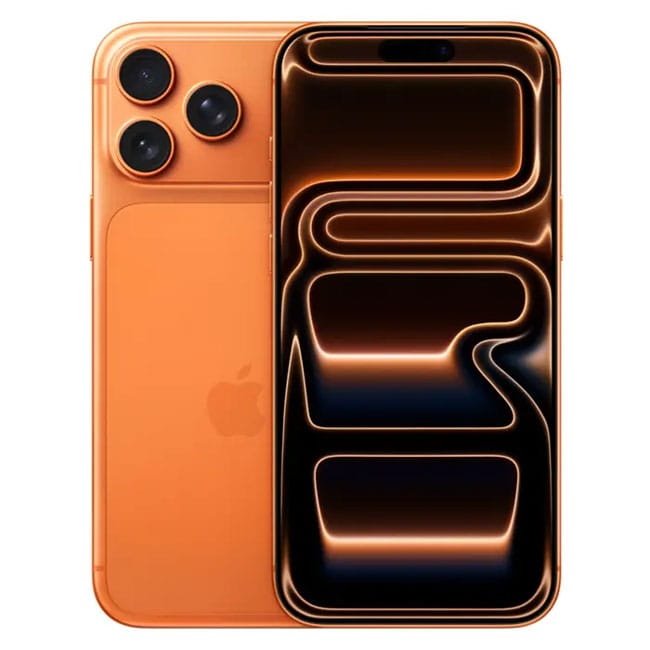
Launch price: $1,199 (September 2025)
The iPhone 17 Pro Max came out in late 2025 and has swiftly set new standards for high-end food content creation and mobile filmmaking. A triple 48MP rear lens system that works perfectly with the strong A19 Pro chip is what makes it so appealing to professionals. It makes sure that every shot, from a vast table spread to a close-up of an ingredient, is taken with surgical accuracy.
Apple included a new vapor chamber cooling mechanism and an aerospace-grade aluminum unibody to help with these demanding duties. This lets the device keep running at its best during long 4K or ProRes RAW recording sessions without overheating.
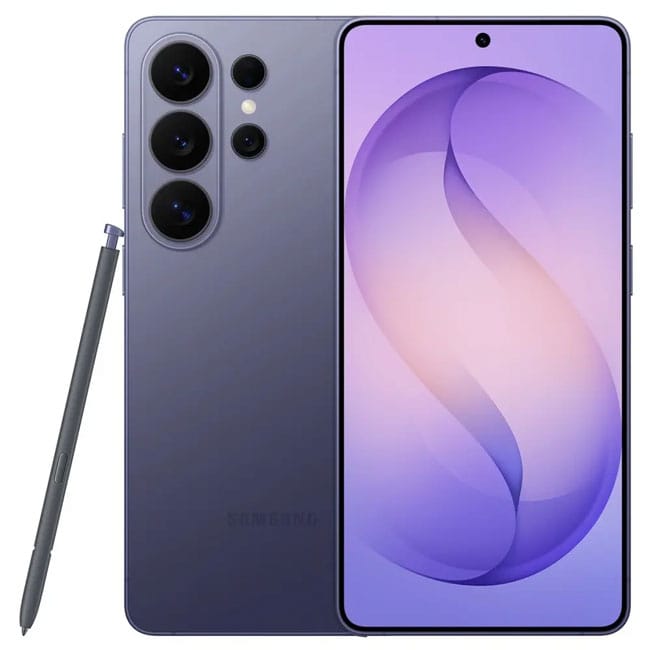
Launch price: $1,299.99 (2026)
Samsung’s Galaxy S26 Ultra, which will be available in early 2026, is a major step forward for taking pictures of food on your phone. It builds on the S25 Ultra’s high-resolution basis. The major thing that makes this flagship phone stand out is its massive 200MP main sensor with a fast f/1.4 aperture.
This is a big upgrade over the f/1.7 optics of the last edition. This larger aperture lets in 47% more light, which means that even in a restaurant with dark, dismal lighting, photographers may take clear, low-noise photographs of food. The quad-camera system also has a 10MP 3x telephoto, a 50MP 5x periscope telephoto that takes great close-ups and a 50MP ultra-wide camera that lets in 37% more light for wide table spreads.
Launch price: $1,299 (August 2026)
The Pixel 11 Pro XL, launched in August 2026 with the Tensor G6 chip, has a new 50MP main camera with a larger 1/1.3-inch sensor, a 48MP ultra-wide and a 48MP periscope telephoto that Google says gathers 30% more light than last year’s.
As with every Pro Pixel, the strength is point-and-shoot reliability: excellent HDR, natural skin tones and the best night photos with very little effort. Reviewers describe it as an incremental update, so the Pixel 10 Pro XL is a sensible way to save money.

Launch price: $1,199 (August 2025)
The Google Pixel 10 Pro XL came out in August 2025 and quickly became renowned as the best point-and-shoot camera phone. This is especially true for creators who want a phone with a lot of dynamic range and AI features that are easy to use. The Tensor G5 chip powers Google’s computational photography, making it easy to snap professional-quality images on the go.
“Pro Res Zoom” is achievable because of this method. The 50MP main sensor and 48MP 5x periscope lens on this generative AI tool can zoom in to an incredible 100x. The Pixel 10 Pro XL is still the greatest camera for taking pictures of the stars, but it also has “Camera Coach,” which uses Gemini models to give you real-time advice on how to light and frame your food photos.
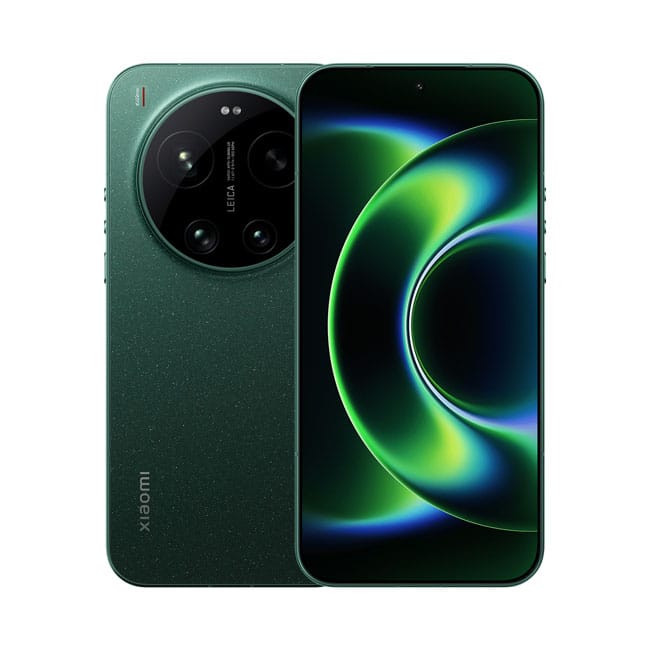
Price: about €1,499 in Europe (not sold in the US)
The Xiaomi 17 Ultra, which was released worldwide during Mobile World Congress in February 2026, has set a new standard for mobile photography by making it hard to tell the difference between a smartphone and a professional compact camera. The co-engineered Leica system is what makes it stand out the most. It has a huge 50MP 1-inch primary sensor that uses LOFIC HDR technology to give it the best dynamic range in the business.
This goes along with a revolutionary 200MP periscope telephoto lens that has a mechanical optical zoom of 75 to 100 mm. This one-of-a-kind mechanism lets you zoom in and out smoothly and without losing quality across focal lengths. The optional Photography Kit has a physical zoom ring that lets you feel the zooming, which is not something you see very often on mobile devices.
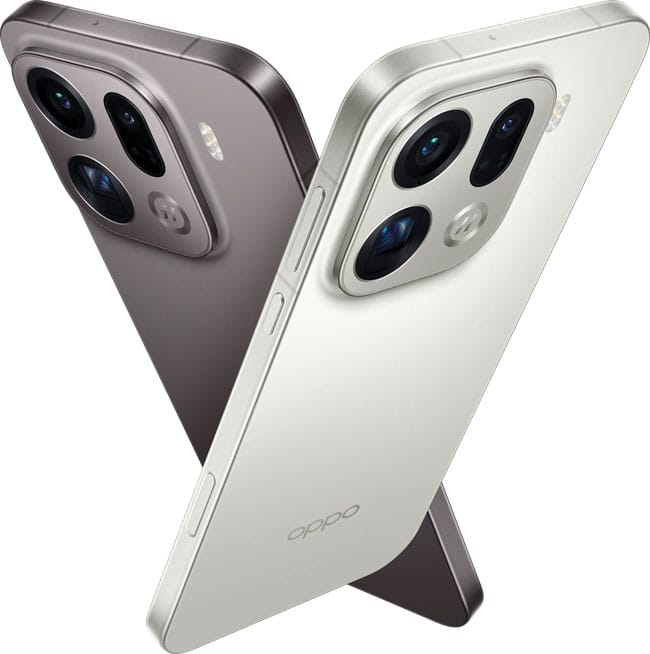
Price: about €1,299 in Europe (not sold in the US)
The Oppo Find X9 Pro is now the finest phone for taking high-quality pictures because it includes a 200MP periscope telephoto lens that breaks records and transforms how mobile zoom works. This high-tech camera system, which was built with Hasselblad, employs a large 1/1.56-inch sensor to take photographs that look real and don’t have the overly processed look that many of its modern competitors do.
The telephoto lens offers a special 10cm close-focus option for people who appreciate macro photography. The 50MP primary sensor lets in 30% more light, so pictures are exceptionally clear even in low-light places like studios or restaurants.
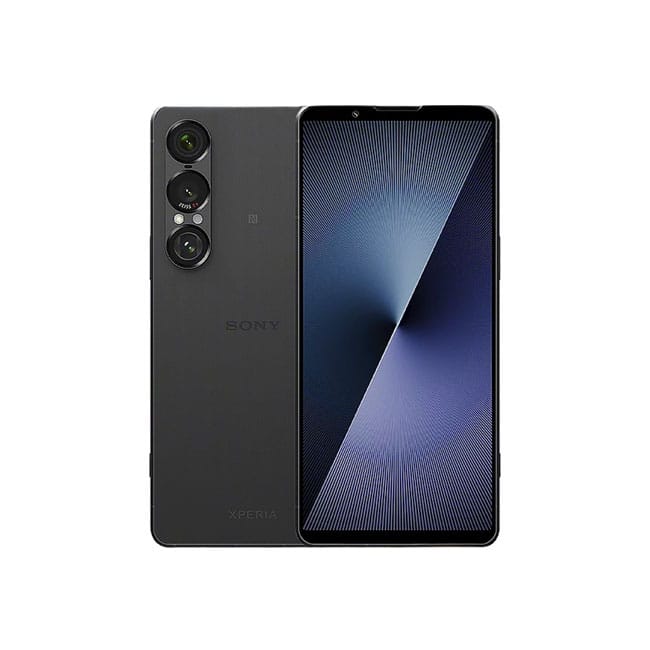
Price: about €1,499 in Europe (not officially sold in the US; succeeded by the Xperia 1 VIII in 2026)
Performance is fast and reliable. The camera system delivers sharp images. The camera setup offers versatile lenses. Image quality remains crisp and clear. Autofocus adjusts quickly for sharp details. Video quality is smooth and detailed. 4K video records in high definition. The wide lens captures more of the scene.
The wide lens captures expansive scenes. Optical zoom lenses provide clear close-ups. The telephoto zoom camera offers distant views. Image noise reduces with higher quality settings. Manual focus gives precise control over shots.
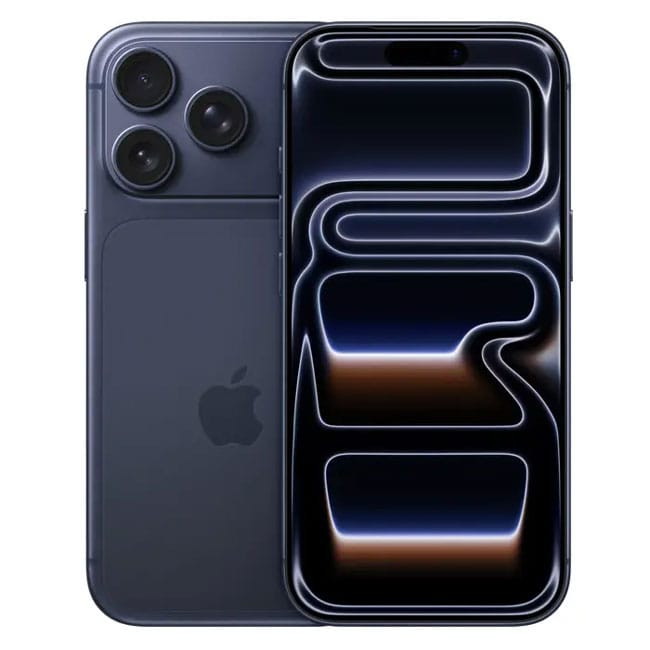
Launch price: $1,099 (September 2025)
The iPhone 17 Pro, which came out in September 2025, is the ideal phone for mobile content artists since it contains the best technology in a compact 6.3-inch chassis. The A19 Pro chip is quite powerful and runs a complicated camera system. The main, ultrawide, and telephoto lenses all have 48 MP sensors.
Apple included its first-ever vapor chamber cooling technology to keep this level of performance while doing a lot of video editing or ProRes recording. The system has a heat-conductive aluminum unibody that stops thermal throttling and keeps the device performing at its finest.

Launch price: $999 (August 2025)
The Google Pixel 10 Pro, which came out in August 2025, is a “compact flagship” that is different from the rest. It contains features that are professional-grade, and it’s small enough to fit in your pocket. The Tensor G5 chip is the most important aspect of the device. This is Google’s first CPU constructed with 3nm technology, which is very efficient.
It also has 16GB of RAM, which is needed for its powerful AI package to perform. The new “Camera Coach” gives you real-time tips on how to frame your shots. and the AI-powered Pro Res Zoom lets you take pictures that are very clear even when they are 100 times bigger. This is when the mind really shines.
Launch price: $1,099.99 (2026)
The Samsung Galaxy S26+ is the middle kid in the lineup. It will be available in US stores on March 11, 2026. The 6.7-inch Dynamic AMOLED 2X display on this model can get as bright as 2,600 nits, so everything is clear even in bright light. Gorilla Armor glass covers the screen and cuts down on glare and reflections.
The phone runs on the Snapdragon 8 Elite Gen 5 chip, while certain devices sold outside the US may have the Exynos 2600 chip. It also features 12GB of RAM, which makes it simple to handle heavy multitasking and Galaxy AI tasks.
Its cameras are a 50MP main, a 12MP ultra-wide and a 10MP 3x telephoto, the same layout as the base Galaxy S26, so choose the S26 Ultra if zoom matters most.

Launch price: $1,999.99 (2025); succeeded by the Galaxy Z Fold 8 in July 2026
The Samsung Galaxy Z Fold 7 was a huge step forward for the series. It was all about making the design thinner and easier to grip. This device is actually lighter than the Galaxy S25 Ultra. It just weighs 215 g and is only 8.9 mm thick when folded. This makes it a lot easier to carry than older models.
The device has an 8-inch internal screen and a 6.5-inch cover screen with a 21:9 aspect ratio that makes it feel more like a typical smartphone. The Snapdragon 8 Elite chip inside gives the phone the best 3 nm multitasking power it needs to handle difficult professional activities and run its huge screen.
These phones cost less than the top flagships but still have excellent cameras. Last year’s flagships, like the Galaxy S25 Ultra, are often the best value once their successors arrive.
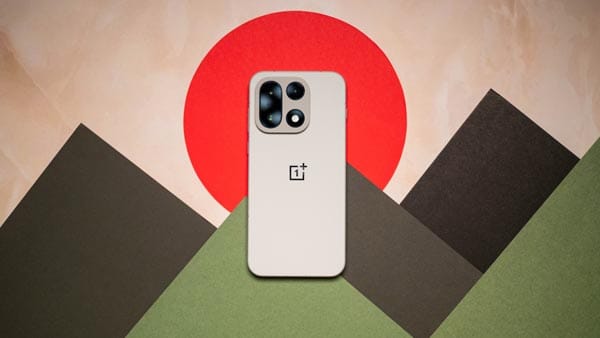
Launch price: $899.99 (US, December 2025)
In November 2025, the OnePlus 15 came out and quickly became a hit with power users all across the world. The main reason is that the battery lasts up to two full days because it is so big (7,300 mAh). This means you don’t have to worry about running out of power. The screen is 6.78 inches and has a refresh rate of 165 Hz, which makes everything look really fluid for gamers. The battery lasts a long period.
The Snapdragon 8 Elite Gen 5 chip and the new DetailMax Engine work together to help the device run very rapidly and handle data very effectively, even for the most demanding apps. The camera setup is just as good. It includes three 50MP lenses, one of which is a periscope lens that can shoot 4K video at 120 frames per second and has a 3.5x optical zoom.

Launch price: $799 (August 2025)
The Pixel 10 was released in August 2025. Because it was the first base-model Pixel to have three cameras on the back, it was a major deal. This high-tech set contains a 48MP primary sensor with macro focus, a 13MP ultra-wide lens, and a new 10.8MP telephoto lens that can zoom in 5 times optically and 20 times super res zoom.
The 3 nm Tensor G5 chip makes the device’s AI processing power 60% better, which lets it use advanced features like “Camera Coach” to assist you in framing photos in real time and makes the device use less power.
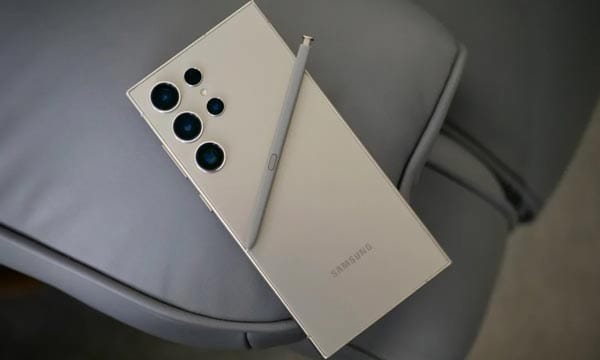
Launch price: $1,299.99 (2025); often discounted since the S26 Ultra arrived
The optical zoom enhances image clarity. The camera system provides high-quality shots. The sensor size captures more light. Performance remains smooth in all conditions. AI features improve photo details. The camera setup includes multiple lenses. The display offers vibrant colors. AMOLED displays deliver sharp contrast.
The telephoto lens captures distant subjects. Image quality is top-notch in all lighting. The best camera offers excellent performance. It features optical zoom for detailed shots. Camera phones provide high-quality images. These camera phones excel in various conditions.
You don’t need to spend $1,000 for great photos. These phones use the same processing as their flagship siblings and skip the telephoto camera. For dedicated cameras at a similar price, see our guide to the best camera under $500.
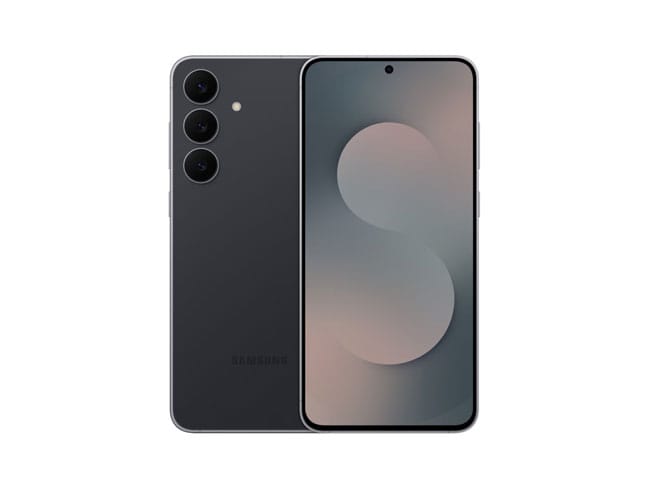
Launch price: $649.99 (September 2025)
Samsung showed off the Galaxy S25 FE as a high-value alternative to their high-end flagship phones in early September 2025. The “Fan Edition” model includes a huge 6.7-inch Dynamic AMOLED 2X screen that can refresh at 120 Hz and get as bright as 1,900 nits.
The Exynos 2400 chipset powers the handset and gives Samsung’s ProVisual Engine and Galaxy AI features like Generative Edit and Circle to Search the power they require. The phone’s vapor chamber is substantially bigger so it can manage these hefty tasks. This keeps the phone cool while you play games or shoot for a long time.
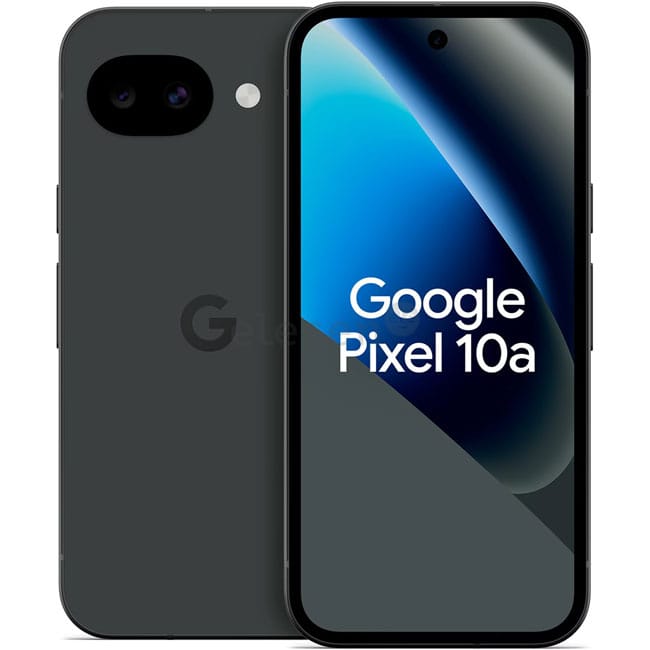
Launch price: $499 (March 2026)
The Google Pixel 10a was officially announced on February 18, 2026, and it came available a few days later, on March 5th. It has quickly become a major player in the mid-range market.
The device costs roughly $499 and does a wonderful job of combining high-end software with hardware that is easy to use. The phone has the reliable sensor array from the last model, but it now boasts a unique flush design that replaces the usual camera bar with a smooth, flat back panel.
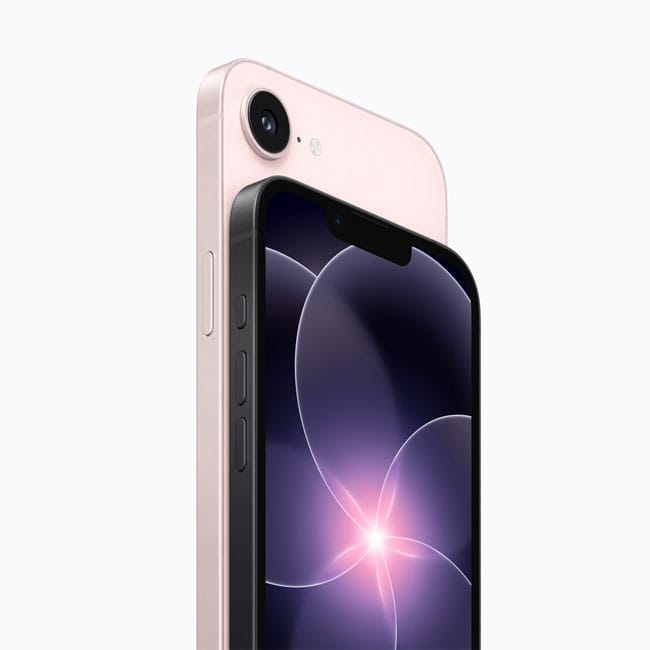
Launch price: $599 (March 2026)
The Apple iPhone 17e, which came out on March 11, 2026, is a huge change for Apple. It gives you a great “2-in-1” camera experience for a reduced price of around $599. The Google Pixel 10a has a separate ultra-wide lens, but this phone has a powerful 48MP Fusion sensor that makes up for it.
The 17e uses high-resolution sensor cropping to produce optical-quality 2x telephoto pictures and digital zoom up to 10x. The A19 chip has a lot of processing power and a 16-core Neural Engine, which makes this possible. This manner, people can still see all the details even though the device only has one lens.
| iPhone 18 Pro Max | Galaxy S26 Ultra | Pixel 11 Pro XL | |
|---|---|---|---|
| Main camera | 48MP, variable ƒ/1.48–ƒ/4 | 200MP | 50MP, 1/1.3-inch |
| Ultra-wide | 48MP | 50MP | 48MP |
| Telephoto | 48MP | 10MP 3x + 50MP 5x periscope | 48MP periscope |
| Video strengths | ProRes, Apple Log, best stabilisation | 8K recording, zoom while filming | Video Boost processing |
| Best at | Video and consistency | Zoom and detail | Point-and-shoot stills and night |
| Launch price (US) | $1,299 | $1,299.99 | $1,299 |
In short: choose the iPhone if you shoot a lot of video or want the same look from every lens, the Samsung if you zoom often (concerts, sport, wildlife, travel), and the Pixel if you want the best photo with the least effort, especially at night.
The iPhone 18 Pro Max and iPhone 17 Pro Max are the best camera phones for video. They record ProRes and Apple Log for colour grading, stabilise footage better than any rival and keep colour consistent when you switch lenses mid-shot. The Galaxy S26 Ultra is the best Android choice, with 8K recording and the most zoom while filming, and the Sony Xperia 1 VII has the most manual, camera-style video controls.
Editing on the phone itself? See our list of the best video editing apps for iPhone.
The iPhone 18 Pro Max has the best all-round camera in 2026. The Samsung Galaxy S26 Ultra is the best for zoom.
The iPhone 18 Pro Max is the best all-round camera phone in the USA for consistent photos and video. The Samsung Galaxy S26 Ultra is the best for zoom, with 3x and 5x telephoto cameras, and the Google Pixel 11 Pro XL is the best for point-and-shoot stills and night photos.
The iPhone 18 Pro Max is the best camera phone for video, with ProRes and Apple Log recording, excellent stabilisation and consistent colour across lenses. The Galaxy S26 Ultra is the best Android option, with 8K video and the most zoom while filming.
For still photos and night shots, the Pixel 10 Pro’s processing is usually more forgiving and gets a great result with less effort. For video, the iPhone 17 Pro is clearly better.
Flagship phones are worth buying for camera performance because they use larger sensors, optical telephoto lenses and more advanced image processing. They deliver better low-light photos, sharper zoom and more stable video. Mid-range phones perform well in good light, but flagships are more consistent in demanding conditions.
The Google Pixel 10a ($499) is the best cheap camera phone, with Google’s processing, a 48MP main camera and a 13MP ultra-wide. The iPhone 17e ($599) and Samsung Galaxy S25 FE ($649.99) are good alternatives.
The iPhone 18 Pro Max is the most reliable for skin tones and depth mapping. The Xiaomi 17 Ultra’s 1-inch sensor and 75–100mm optical zoom give the most natural background blur, and the Pixel 11 Pro XL produces excellent portraits with very little effort.
The iPhone 17 Pro or iPhone 18 Pro is the best for creators, thanks to excellent 4K video, ProRes and Log recording and the way Instagram and TikTok handle iPhone footage. Pixels are strong for quick photo edits, and the Galaxy S26 Ultra offers the most zoom.
Choose a phone with a large main sensor, optical telephoto lenses and RAW support. The iPhone 18 Pro Max (ProRAW), Samsung Galaxy S26 Ultra (Expert RAW), Google Pixel 11 Pro XL and Xiaomi 17 Ultra are the best options.
For most people the iPhone 18 Pro Max, Galaxy S26 Ultra or Pixel 11 Pro XL is the best camera phone you can buy, and last year’s models are excellent value. On a budget, the Pixel 10a is the one to get. Whatever you shoot with, a little editing goes a long way: for product, portrait or e-commerce photos that need to look their best, our photo retouching service can help.
Are you looking for the best camera phone? For expert reviews and professional photo editing services that will improve your photography experience, check out Zenith Clipping.