

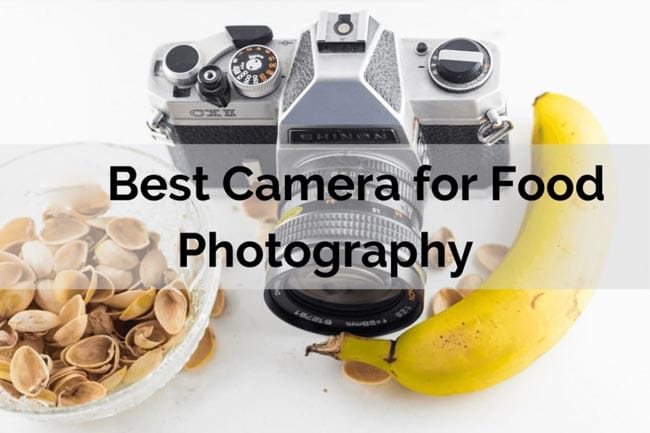
You know that feeling when you see a food photo that’s so good you can almost taste it? Well, what’s the secret? It’s not just the food; it’s choosing the best camera for food photography.
So today, let’s unlock the secrets to picking a food photography camera that can turn a simple dish into a total masterpiece. Let’s dive below for a detailed explanation!
1. Sony Alpha a7R V
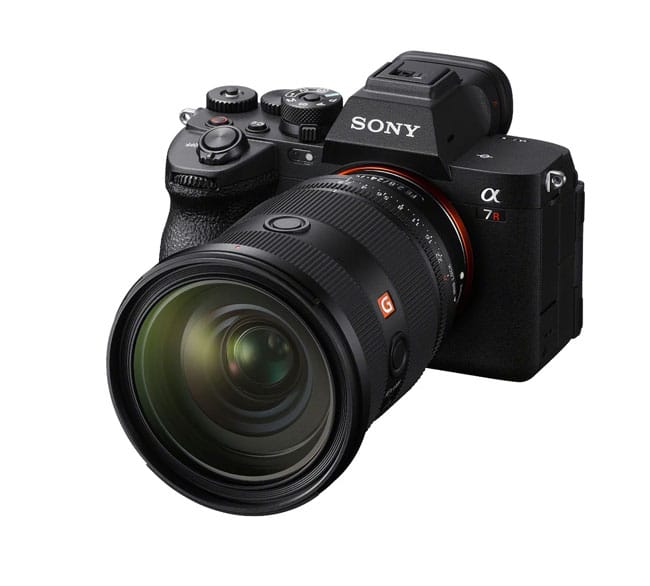
Price Starting at $3899.99
The Sony Alpha a7R V is a full-frame camera for professionals that stands out because it contains a 61-megapixel high-resolution sensor. This is one of the best mirrorless cameras for taking images of food since experienced photographers use it to obtain incredibly close-up shots of food.
Pros
- The 61MP sensor provides unmatched detail.
- This resolution allows for massive cropping.
- Versatile screens suit every shooting angle.
- AI autofocus finds the hero element fast.
- Precision improves every food shot.
Cons
- Massive RAW files fill storage quickly.
- Users need a very powerful computer.
- High prices challenge most hobbyist budgets.
- Professional bodies require significant investment.
- Large file sizes slow down editing.
The touchscreen can tilt, which makes it easier to take images from places that are hard to get to. The LCD screen can also flip out, so you can take pictures from flat surfaces.
2. Canon EOS R6 Mark II
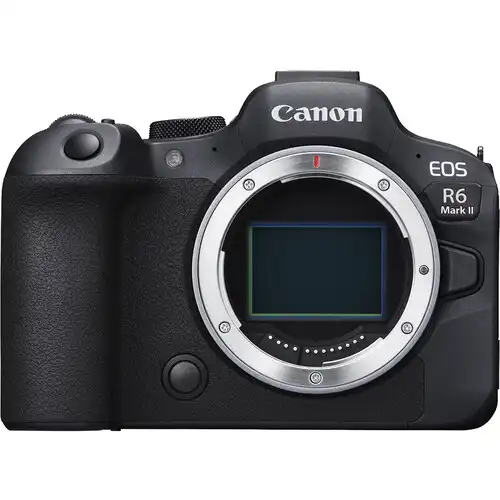
Price starting at $2,499.00
The Canon EOS R6 Mark II is a great camera for taking pictures of food. It has a really good sensor that captures lots of details. So, you can see every little spice on the food. The colors it takes are very real and make the food look delicious.
Pros:
- High-speed burst shooting
- Advanced autofocus system
- Excellent video capabilities
- Improved battery life
Cons:
- No in-camera GPS
- Limited 4K 60p recording.
- High price point
- larger than some competitors
This camera is good for both inside and outside photos. If you take photos in your restaurant or at home, it works very well. It has a nice touch screen so you can change settings easily. Also, it connects to the phone so you can share photos quickly.
3. Canon EOS R5
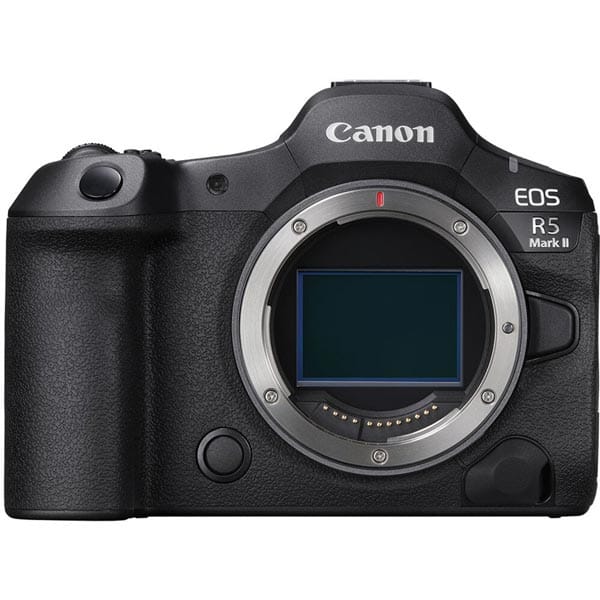
Price Starting at $2799.00
The Canon EOS R5 is a professional camera ideal for food photography. It features a full-frame 45-megapixel sensor that captures every detail with stunning accuracy. Compared to the older Canon 5D series, this model is a significant technological upgrade.
Pros
- The 45MP resolution provides high detail.
- Large-scale prints look very sharp.
- Pixel-shift creates ultra-detailed static shots.
- Intuitive menus improve the user experience.
- Ergonomic grips offer a comfortable hold.
Cons
- High-resolution screens drain the battery quickly.
- Extended video shoots cause heat issues.
- Users require multiple spare batteries.
- Long tutorials run the body warm.
- 8K video demands high power.
Modern features include built-in Wi-Fi for fast file transfers and dual memory card slots for instant backups. The camera also works well for tethered shooting. Its 3.2-inch articulating LCD is perfect for hard-to-reach angles, such as overhead “flat lay” shots or creative low-angle perspectives.
4. Fujifilm X-T5
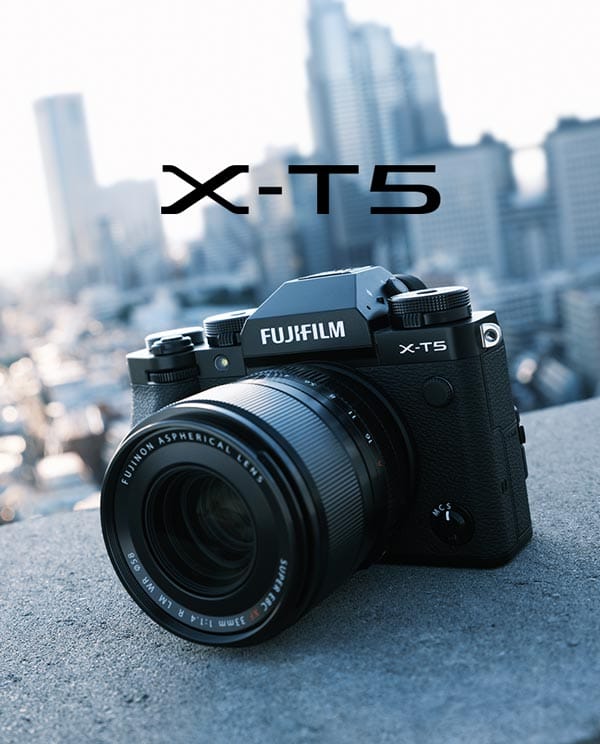
Price Starting At $1,699
The Fujifilm X-T5 has become a favorite among food photographers because its high-resolution 40.2-megapixel sensor can compete with full-frame devices.
Pros:
- Excellent 40MP sensor
- Fantastic in-body image stabilization
- intuitive control dials
- Great battery life
Cons:
- Lacks a fully articulating screen
- Limited video features
- 40MP sensor shows lens flaws
- An older battery type
This huge number of pixels gives you the clinical detail you need to capture the fine textures of food, from the crystalline granules of sea salt to the delicate fibers of fresh herbs. The X-T5 is unique because it combines old-fashioned tactile controls with new digital capability. It also has Fujifilm’s famous film simulations, which let producers get a professional, finished look right in the camera.
5. Nikon Z8
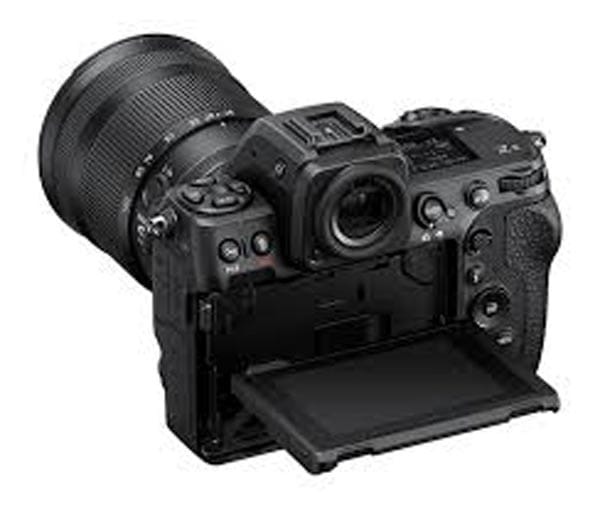
Price Starting at $3496.95
The Nikon Z8 is one of the top choices for professional food photography thanks to its high-performance architecture. It competes with the best mirrorless systems on the market. At its core is a 45.7-megapixel full-frame stacked sensor, capable of capturing the tiniest details with remarkable precision.
Pros
- The stacked sensor allows silent operation.
- Restaurants remain perfectly quiet during shoots.
- The 8K video creates cinematic reels.
- Rugged build quality ensures professional durability.
- Weather sealing protects the camera body.
Cons
- The camera body feels very heavy.
- Bulkier designs make transport difficult.
- Many high-speed features exceed food needs.
- Static subjects require fewer technical specs.
- This model represents total overkill.
This high resolution allows heavy cropping without losing the fine details required for editorial or commercial prints. The camera features dual card slots: a CFexpress slot for fast RAW file processing and an SD slot for broad compatibility and reliable backups.
6. Nikon D850
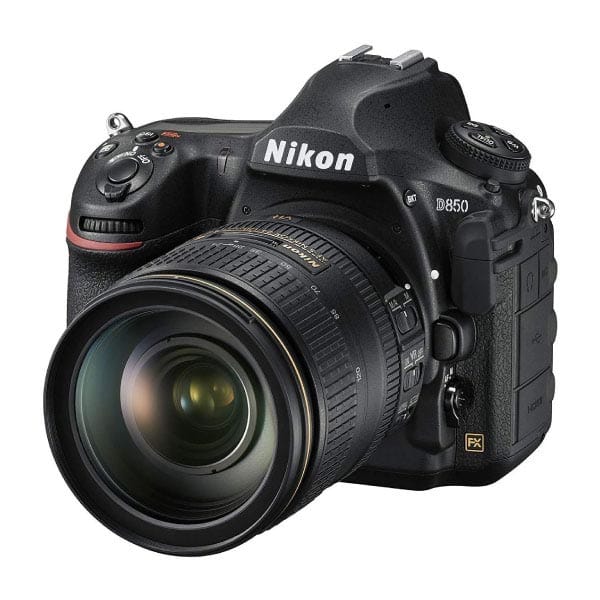
Price Starting At $2,299.95
The Nikon D850 is a camera that takes pictures of food that looks so real you wanna eat it. It is a pro camera, but if you save money, you can get it. The pictures have so many details that you can see every little detail.
Pros:
- Outstanding image quality
- Fast and accurate
- Excellent battery life
- weather-sealed build
Cons:
- Autofocus is noticeably slower
- larger and heavier
- Video features are limited
- wireless transfer slow
You can use the slow-motion 120fps feature for video. A tethering system can be useful for studio work. A Full-frame DSLR is a professional-grade camera. Weather-Sealing protects your camera from the elements. There are special food modes for taking food pictures.
7. Panasonic LUMIX S5 II
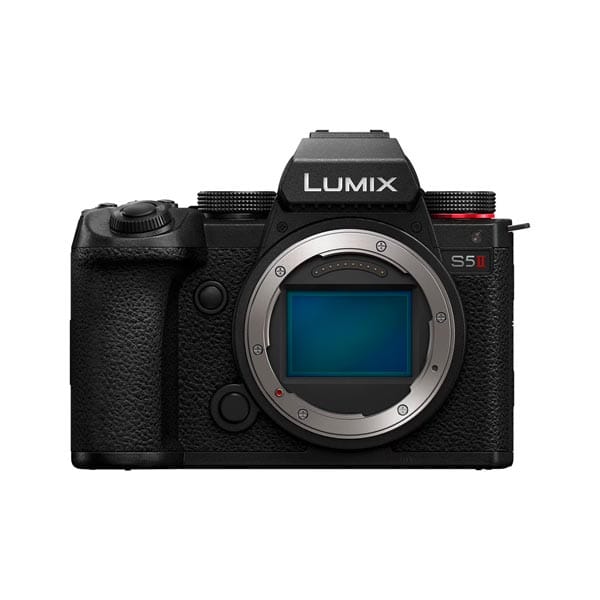
Price Starting at $1799.99
The Lumix S5 II is a powerful full-frame camera that works well with modern kitchen gadgets. The 24.2-megapixel sensor picks up a lot of detail. The camera shoots great static pictures, but it really shines when it comes to making films for sites like TikTok that look like they were made by an expert.
Pros
- Superior color science creates realistic tones.
- Open gate video simplifies social media cropping.
- Phase hybrid autofocus provides reliable tracking.
- You record TikTok and Instagram clips simultaneously.
- This model delivers appetizing results.
Cons
- The 24MP sensor limits large prints.
- Lower resolution trails behind competing models.
- The L-mount library offers fewer lenses.
- Users face a smaller lens selection.
- High resolution needs require different bodies.
It includes a fan inside that keeps it from getting too hot during long shooting. The S5 II boasts an LCD touchscreen that can flip out and tilt, making it easy to get demanding overhead flat-lay shots or creative low-angle shots. This is vital for making a scene in a kitchen.
8. Sony ZV-E10 II Mirrorless Camera
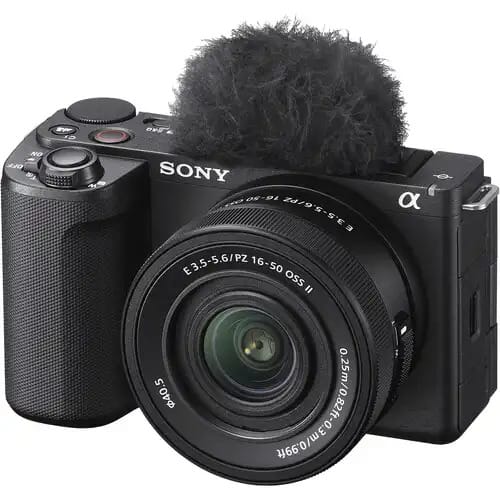
Price Starting At $1,299.99
The Sony ZV-E10 has a very, very high-resolution sensor. This is perfect for food photography because you can crop the photo and still see lots of details. Every grain of salt or herb is visible. The camera performs excellently in many lighting conditions. So, whether you are in a bright kitchen or a dark restaurant, it takes good photos.
Pros:
- Excellent 4K video quality
- Fast and reliable autofocus
- Wide lens selection
- User-friendly vlogging features
Cons:
- No 4K 120p video
- No in-body stabilization
- No electronic viewfinder
- Overheating in 4K/60p
It is a bit more advanced but still manageable for beginners. The autofocus system is very smart and tracks the food easily. You can take photos from above, which is common for food, without any problem.
9. Canon EOS 5D Mark IV
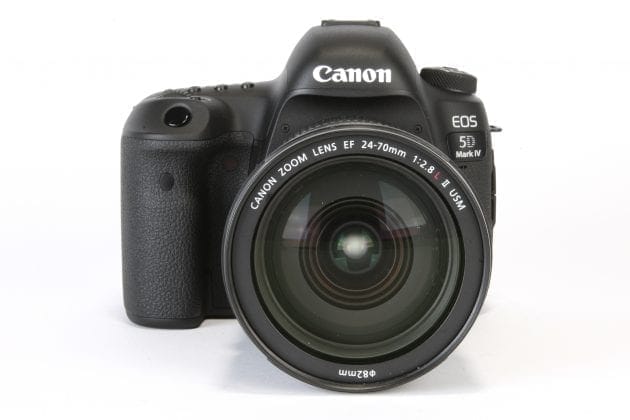
Price Starting At $2,099.00
The Canon EOS 5D Mark IV is a lightweight and affordable camera. It is great for beginners who want to start food photography. It takes good-quality photos with nice colors. The camera is easy to use and has guided menus that help you learn. You don’t need to be an expert to take beautiful food photos with this.
Pros:
- Excellent image quality
- Fast and accurate autofocus
- Durable weather-sealed body
- Good high ISO performance
Cons:
- No 4K 60p video
- Heavy 4K video file sizes
- Fixed, non-tilting screen
- Autofocus is complex to master
This is useful for vlogging or recording cooking videos. The camera connects to Wi-Fi so you can transfer photos to your phone quickly. Even though it is small, it has many features that are useful for food photography. It is a fun camera to use and helps you improve your skills.
10. Sony Alpha a7 IV
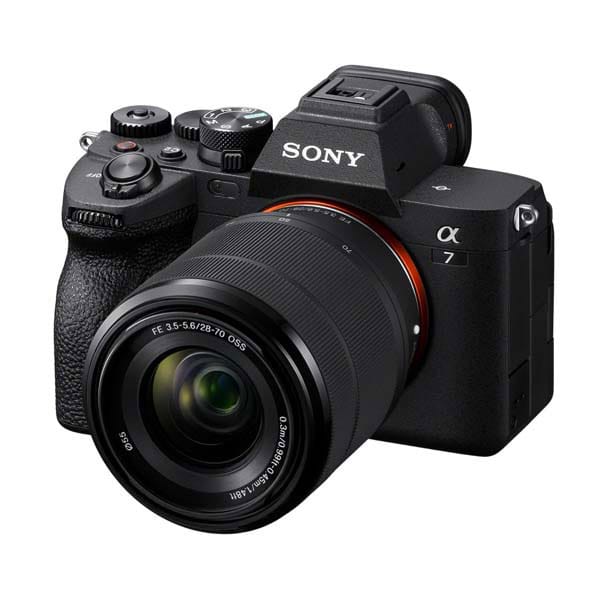
Price Starting at $2199.99
The Sony Alpha a7 IV is a great full-frame camera that has a 33-megapixel sensor that captures about 40% more detail than other entry-level cameras. Professional mirrorless systems that are highly rated by food photographers, this body performs exceptionally well in low light.
Pros
- The 33MP sensor provides great detail.
- Users avoid massive file sizes.
- The large lens ecosystem saves money.
- Third-party lenses offer many choices.
- This reliable workhorse features excellent battery life.
Cons
- Fast video pans cause rolling shutter.
- The rear LCD lacks high sharpness.
- Other models offer better screen resolution.
- Moving subjects reveal technical limits.
- High-speed video requires careful handling.
Built-in stabilization makes it even better, so you don’t have to use a tripod all the time. The camera makes sure that every dish looks professional and consistent when used with high-quality studio lighting like the Profoto B10X. Many creators like fast f/2 lenses to get that trademark smooth background blur.
11. Nikon Z 7II
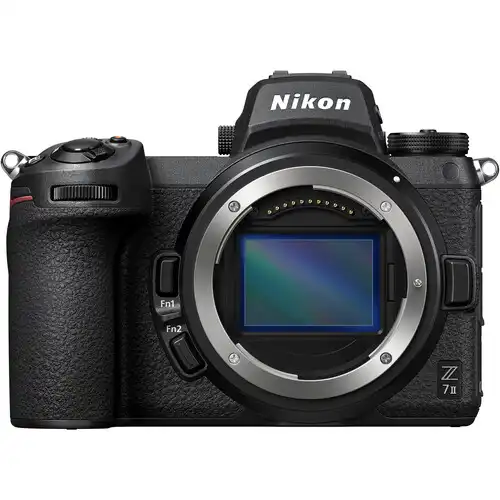
Price Starting at $1896.95
The Nikon Z7 II is still one of the best cameras for professional food photography. It has great image quality and ergonomics, and it ranks highly among mirrorless systems. The 45.7-megapixel full-frame sensor catches amazing detail in ingredients, and the native base ISO of 64 gives you a wider dynamic range that works especially well for high-contrast cooking scenes.
Pros
- Base ISO 64 offers incredible dynamic range.
- This feature recovers deep shadows.
- The compact body feels very light.
- Users enjoy 45MP image quality.
- The lower price saves money.
Cons
- The autofocus lacks advanced intelligence.
- Moving subjects challenge the tracking system.
- The tilting screen limits vertical angles.
- Overhead shots require extra effort.
- Other models provide faster focus.
The body has two CPUs to handle these enormous, data-rich image files without any problems, and it has two card slots for redundancy and safe backup, which are both critical for high-stakes client work.The camera’s physical form is perfect for the studio. It has a tilting touchscreen that makes it easier to set up overhead tripod shots or complicated flat-lays.
12. Canon EOS R10
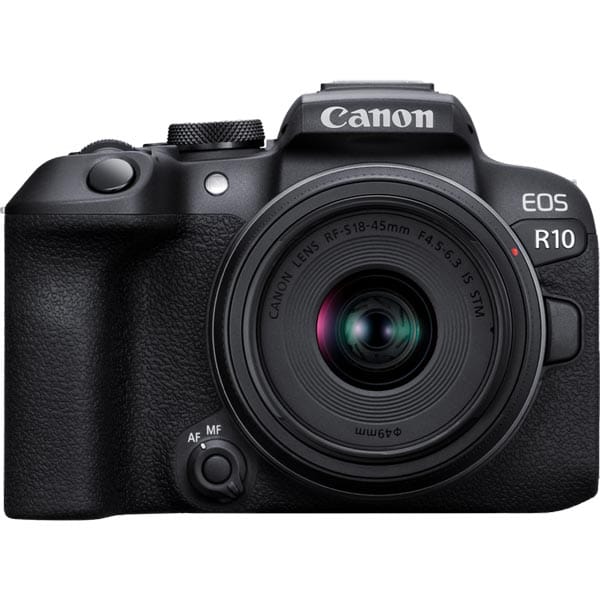
Price Starting at $999.00
Canon made the EOS R10 to be the perfect first step into professional food photography. It gives people who are switching from smartphones a big boost in performance.
Pros
- The small body offers great portability.
- This model provides an affordable entry point.
- Creative Assist helps beginners.
- Users blur backgrounds easily.
- The compact size allows discreet shooting.
Cons
- The crop sensor struggles in dark settings.
- This camera lacks in-body stabilization.
- Handheld shots require specific lenses.
- Full-frame models perform better.
- You need lenses with built-in stabilization.
Its 24.2-megapixel sensor captures the bright colors and fine details that are needed for high-quality social media photos, from the textures of a juicy burger to the delicate highlights on a new bowl. The camera has a fully movable screen that makes it easy for photographers to frame beautiful overhead “flat lay” images or photos on a tripod.
13. Canon EOS R8
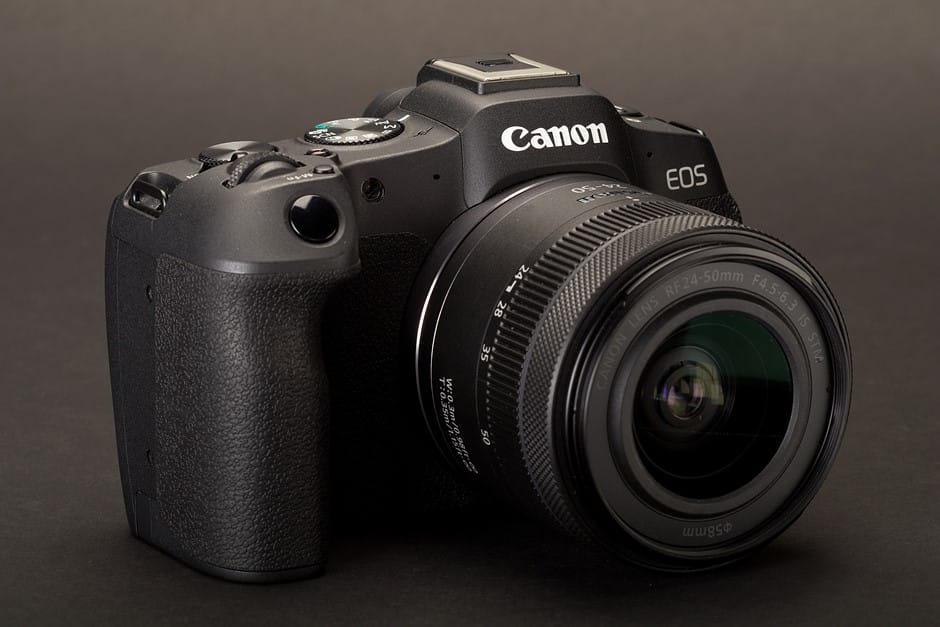
Price starting at $1,499.00
The Canon EOS R8 is a versatile camera that works well for food photography. It has good speed and performance, so you do not miss any moment. If you want to take a photo of pouring sauce, this camera can capture it perfectly. The image quality is top-notch, and the food looks very real.
Pros:
- Full-frame sensor
- Lightweight and compact body
- Excellent video features
- Good low-light performance
Cons:
- No in-body image stabilization
- Single SD card slot
- Smaller battery
- Fewer physical controls
It is not too heavy, so you can carry it around easily. This is good if you like to take photos in different places. The autofocus is fast and accurate, so your photos are always in focus. You can also record videos of cooking with this camera. It has many features that help you create beautiful content. For anyone serious about food photography, this camera is a great pick.
14. Canon EOS R10
Price Starting At $2,399.99
The Sony A7 IV is a popular camera among food photographers. It has excellent image quality and great dynamic range. This means you can see both the bright and dark parts of the food clearly. The colors are vibrant and make the food look very attractive. It is a reliable camera that won’t let you down.
Pros:
- Excellent 33-megapixel sensor
- Advanced autofocus system
- Powerful video features
- Improved ergonomics
Cons:
- 4K video recording with 1.5x crop
- The rear LCD screen has a lower resolution
- burst shooting speed slow
- Higher price point
It has a user-friendly design so you can operate it without trouble. The buttons are placed well and easy to reach. It also has good battery life, so you can take photos all day. You can use it with different lenses to get various effects. For example, a macro lens helps you take extreme close-ups of food. This camera helps you create stunning food photos that stand out.
15. Canon EOS 6D Mark II
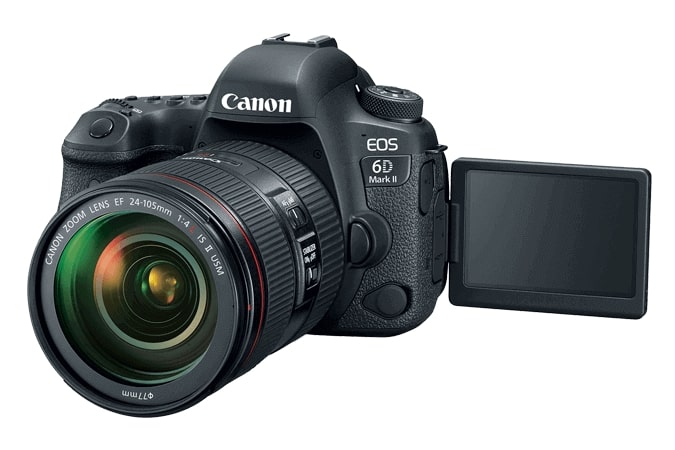
Price Starting At $1,399.99
The Canon EOS 6D Mark II is another good camera from Canon for food photography. It is not too expensive, but it still takes very nice photos. It has good low-light performance, so you can take photos in dim places like a cozy cafe. The photos come out clear and not noisy. This is important to make food look appealing.
Pros:
- Excellent image quality
- Flexible vari-angle screen
- Fast, reliable autofocus
- Weather-sealed body
Cons:
- Limited dynamic range
- No 4K video
- Slow video autofocus
- Limited viewfinder coverage
It is easy to use and has many features that help. For example, it has image stabilization so your hand shaking does not ruin the photo. You can take close-up shots of food and see all the textures. The battery lasts a long time, so you can take many photos without worry.
16. Canon EOS Rebel T7i Camera
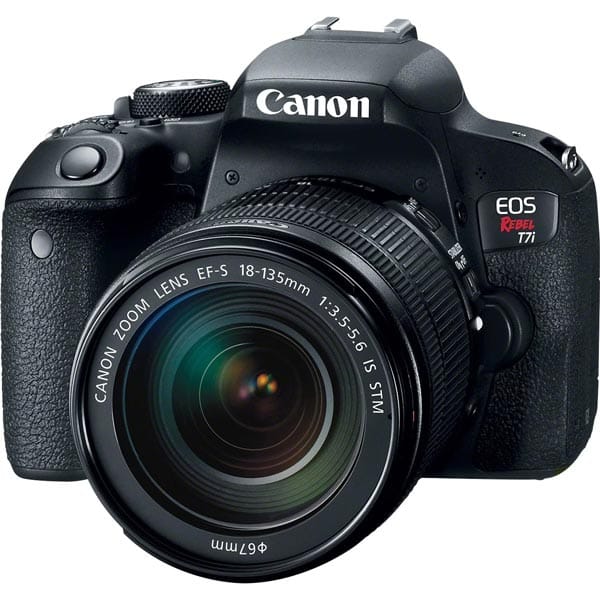
Price Starting At $830
Are you a restaurant chef? Try out the food pictures in a kitchen to make professional-style photos. Pictures taken in the kitchen of your restaurant will bring back memories of cooking your best food on the stove or a special place in the kitchen.
Pros:
- Excellent image quality
- Fast autofocus
- Vari-angle touchscreen
- User-friendly interface
Cons:
- No.. 4K video recording
- Mediocre dynamic range
- Slightly bulky design
- Limited viewfinder coverage
Taking pictures of soup in a pot or bread that just came from the oven will make yummy images. You can also take pictures of the dining room or the outside patio by taking the photos near the window.
17. Nikon Z7 II
Price Starting At $1,999.95
The Nikon Z7 II is a powerful camera for food photographers. It has high resolution, so you can see every detail of the food, like the steam rising from the soup. The colors are very accurate and make the food look natural. This camera is loved by professionals, but it is also good for beginners who want to learn.
Pros:
- Excellent 45MP sensor
- Fast autofocus system
- Dual card slots
- Weather-sealed body
Cons:
- No fully articulating screen
- 4K video is cropped
- Autofocus not class-leading
- Heavier than competitors
It has a strong build and feels good in the hands. You can use it for a long time without getting tired. The menu system is easy to understand, so you don’t get confused. You can take photos from different angles because the screen tilts. This helps to get the best shot of the food. With this camera, your food photos will look amazing and make everyone hungry.
18. Canon EOS RP
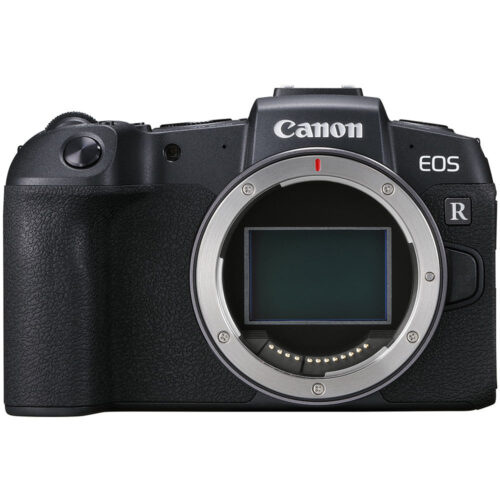
Price starting at $999.00
Isn’t that why exactly we take food pictures? To show how yummy the food is and make people want to eat it. The aim of your food photos should be to make people look.
Pros:
- Compact and lightweight full-frame
- Affordable entry point
- Good image quality
- Easy to handle
Cons:
- No in-body image stabilization
- Small battery
- Cropped 4K video
- Limited dynamic range
Ensure that your food pictures are bright and clear. Make the food look tasty and show all the details well. If the food has nice colors, be sure to take the picture in good light.
19. Olympus OM-D E-M10 Mark IV
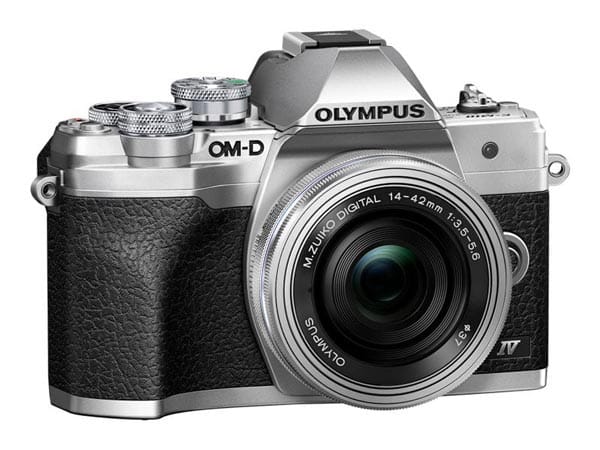
Price starting at $599.99
When you understand what food pictures you want and how you want them to look, decide on your camera settings to use, including aperture, shutter speed, ISO, and more. The camera’s menu screen will give you lots of options. You’ll get to see choices for color, how bright the picture is, and how blurry the background gets, to name a few things. Similarly, other camera buttons will also do different jobs.
Pros:
- Compact design.
- Excellent image stabilization.
- Good image quality.
- Tiltable LCD screen for selfies.
Cons:
- Smaller Micro Four Thirds sensor.
- More noise at high ISO settings.
- Less advanced video capabilities.
- Limited dynamic range.
Try all the settings and see which ones you like. Which setting made the food look the most yummy? Also, your food type decides the best camera for you. If you are taking pictures of soup and drinks, you might want to use a fast shutter speed. For a big birthday cake, a wide aperture would be a better choice.
20. Nikon Z6 III
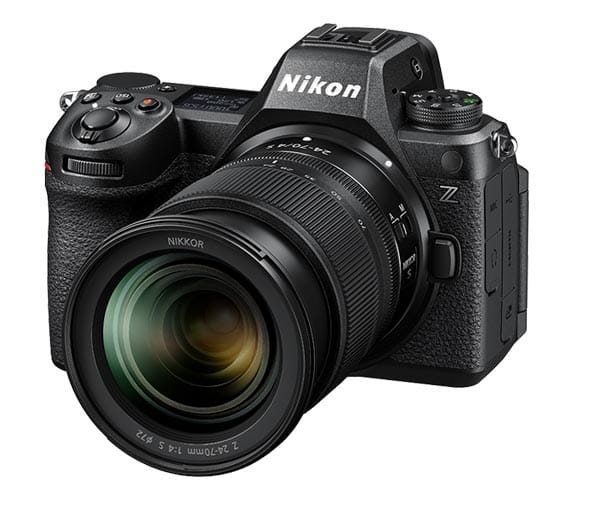
Price starting at $2096.95
The Nikon Z6 III is a great full-frame mirrorless camera for food photography. It’s a “professional daily driver” that strikes the perfect mix between performance and price. It is a great all-around tool for both high-end stills and 6K video, but its best features for food creators are its amazing color reproduction, easy handling, and powerful stabilization technologies.
Pros:
- Better tracking and autofocus.
- higher low-light performance and higher image quality.
- Support for 4K video with extra features.
- Two card slots for more storage options.
Cons
- Higher pricing.
- Not as many lens options as a DSLR.
- Batteries don’t last as long as DSLRs.
- Could get too hot if you use it for a long time to watch videos.
The 8-stop in-body image stabilization (IBIS) is a game-changer for creators who operate in uncertain places. This makes it possible to take clear pictures by hand, especially in dark restaurants where slower shutter speeds are sometimes needed.
FAQs
Which camera is best for food photography in 2026?
The best camera for food photography in 2026 is the Sony A7R V due to its 61 MP sensor, precise autofocus, and strong dynamic range. High-resolution cameras like the Canon EOS R5 and Nikon Z8 also deliver sharp detail, accurate color, and consistent low-light performance for professional food images.
Do I need a full-frame camera for food photography?
You do not need a full-frame camera for food photography because APS-C and Micro Four Thirds cameras produce sharp images with proper lighting and lenses. Full-frame cameras improve dynamic range, low-light performance, and background blur, but controlled lighting setups make sensor size less critical for consistent food photography results.
How important is autofocus for food photography?
Autofocus is moderately important for food photography because most shots use manual focus in controlled setups. Autofocus helps speed up shooting, maintain precision at shallow depths of field (f/1.8–f/4), and ensure consistent sharpness, but static subjects allow manual focus to achieve equally accurate results.
Do I need a tripod for food photography?
You need a tripod for food photography to maintain sharp images at slow shutter speeds between 1/5 and 1/60 seconds. A tripod stabilizes the camera, ensures consistent framing, and supports precise composition. Handheld shooting works, but a tripod improves sharpness, repeatability, and control in controlled lighting setups.
Are mirrorless cameras better than DSLRs for food photography?
The main difference between mirrorless cameras and DSLRs for food photography is that mirrorless cameras offer faster autofocus, real-time exposure preview, and lighter bodies, while DSLRs provide longer battery life and optical viewfinders. Mirrorless cameras perform better for precise composition and consistent exposure in controlled food photography setups.
What camera settings work best for food photography?
Use camera settings for food photography that prioritize sharpness and control: set aperture to f/4–f/8 for depth of field, shutter speed between 1/5 and 1/60 seconds on a tripod, ISO at 100–200 for low noise, and white balance between 5000K–5600K for accurate color.
Final Thought
Just find a camera you like and start taking photos of your favorite snacks and meals. Practice makes you better. Remember, the best camera is the one you actually use to take pictures. So go out there and start shooting your food.
Visit Zenith Clipping for expert reviews and find the perfect camera to elevate your food photography today!